**[Will's Journal](../index.html)**
(#) **2024/04/30: Past activities**
(##) **Unity Shader Tutorials**
I began by following tutorials about rendering techniques,
particularly from [NedMakesGames](https://www.youtube.com/@NedMakesGames)
and [Ben Cloward](https://www.youtube.com/channel/UCoG9TB1eL6dm9eNbLFueHBQ).
I had an interest in toon shaders, as it provided an alternative to
photo-realistic rendering. Producing images at both a lower cost and
at reduced complexity.
As it turns out, toon shading can be reasonably complex to implement,
especially since Unity doesn't come with one of the box, requiring users to write
their own implementations with the rendering pipeline.
As a beginner with little knowledge on the rendering pipeline, this was a
daunting task, which resulted in me doing little more than copying what
the tutorial had outlined.
But copying, simply wasn't good enough for me.
While both Ned and Ben's tutorials were instrumental in producing the toon shading I wanted, my knowledge was lacking and I knew it.
I don't enjoy just doing, I enjoy knowing. And to know, will require much more than brief condensed tutorials on youtube.
So I decided to embark on a journey to deepen my knowledge.
(##) **Real-Time Rendering, 4th Edition**
This led me to the highly recommended book: [Real-Time Rendering](https://www.realtimerendering.com/index.html).
It was long, and it took me many months to read it front to back. Perhaps it wasn't the best idea to jump right into it
without studying graphics programming basics a little more. Nonetheless, it was a solid read and I had grasped the information
that I needed to have a general understanding of graphics programming.
Truthfully, some of the chapters were a slog to get through. I read them anyway and have come out with a better understanding
of what inherently piques my interest. Some noteworthy chapters that I find less interesting include:
- Volume Rendering
- Curves
- Graphics Hardware
I think that's good news! It means that I find just about everything else that's important interesting.
Some chapters that I find particularly interesting include:
- Shadows
- Physically Based Shading
- Non-Photorealistic Rendering
The only problem with reading this lengthy book is that I had come out of it with knowledge, but no produced works.
What good is knowing what you know, if you don't use it for some purpose?
(##) **CS6610 - Interactive Computer Graphics by Cem Yuksel**
A name that frequently comes up in a lot of places, Cem Yuksel has a notable presence in the Computer Graphics scene.
[His course](https://graphics.cs.utah.edu/courses/cs6610/spring2021/) was recommended on the Real-Time Rendering resource page and gives an introduction to rendering in realtime using OpenGL.
I did this module alongside reading the book and had completed every single one of the projects outlined on the course website.
The techniques that were required to be implemented we not significantly complex, but as a beginner it was somewhat difficult to get used to.
I wouldn't assume anyone would want to look at code written to complete the minimum requirements of the project, but it is [publicly available](https://github.com/Williscool13/LearnOpenGL).
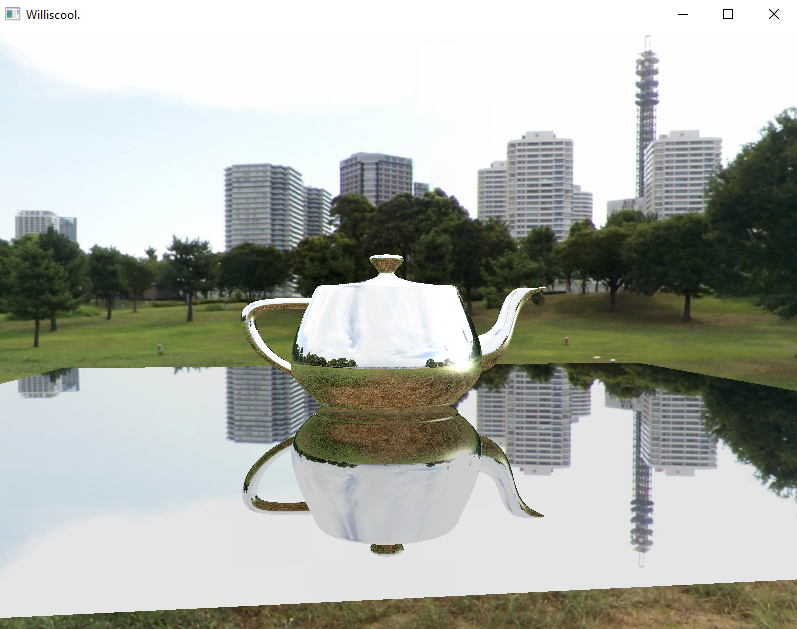
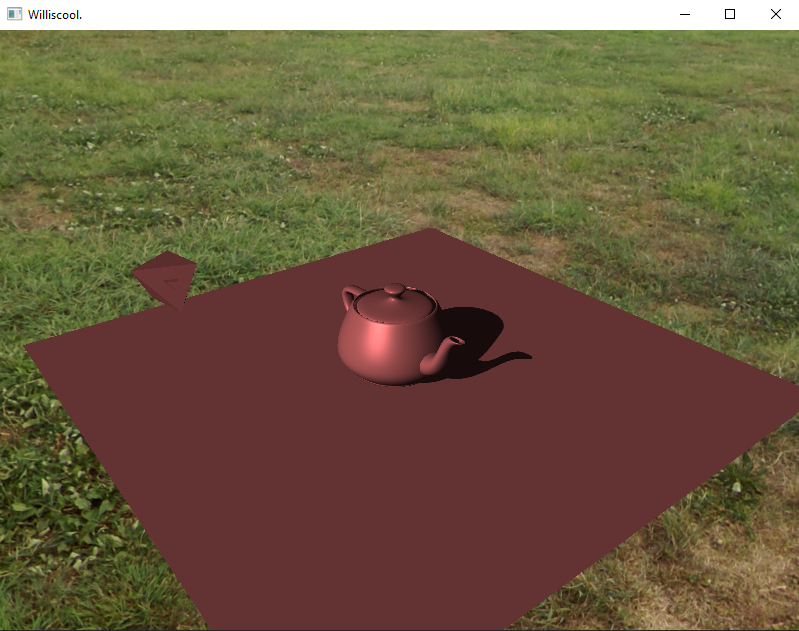
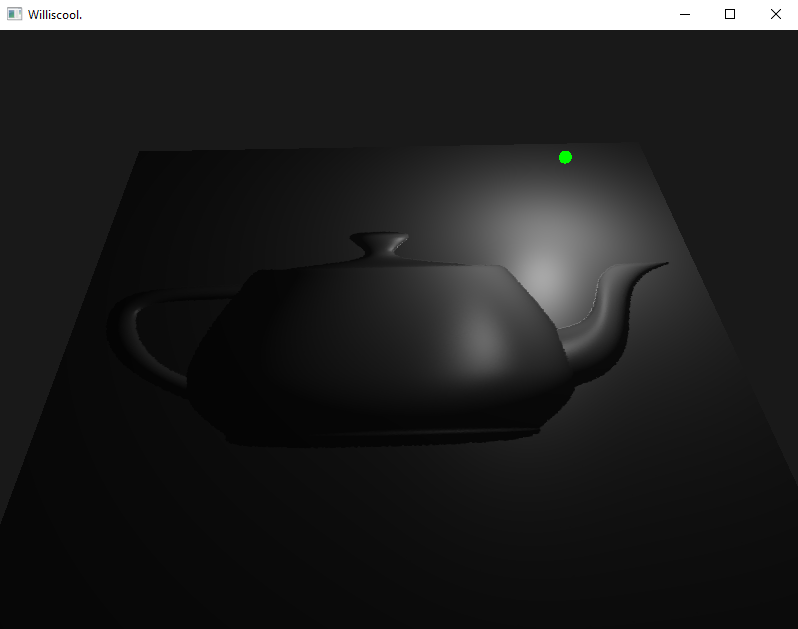
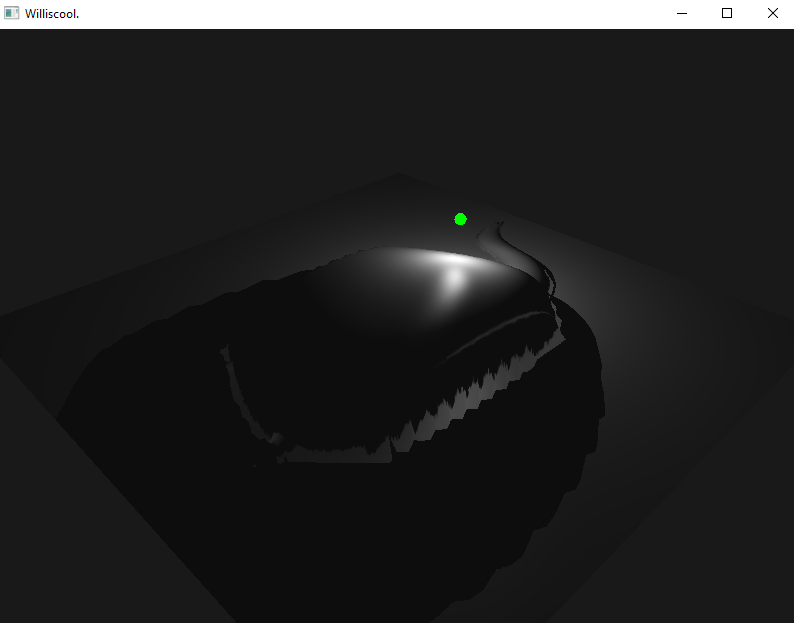
Techniques implemented include:
- Texturing
- Reflections (Not Real)
- Environment Mapping
- Shadow Mapping
- Displacement Mapping
- Tessellation
And here are some pictures:
(##) **Ray Tracing In a Weekend and The Next Week**
Briefly after finishing Real-Time Rendering, I had decided to look into alternative rendering techniques, specifically ray tracing.
Ray tracing is a big field of study right now, both in real-time and offline. And while it is slightly more suited
to offline rendering at the moment, its significantly impressive results make it very tempting to incorporate into
real-time rendering.
Both courses can be found below:
[_Ray Tracing in One Weekend_](https://raytracing.github.io/books/RayTracingInOneWeekend.html)
[_Ray Tracing: The Next Week_](https://raytracing.github.io/books/RayTracingTheNextWeek.html)
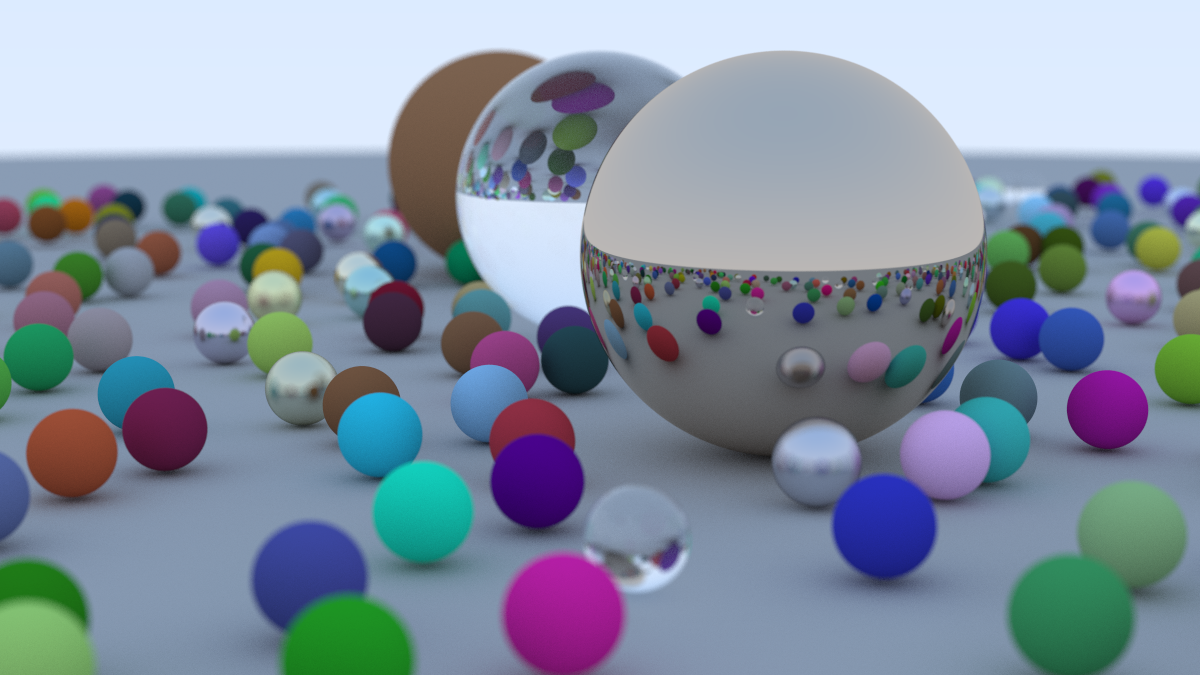
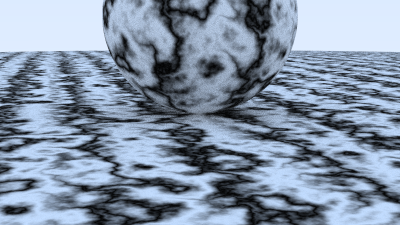
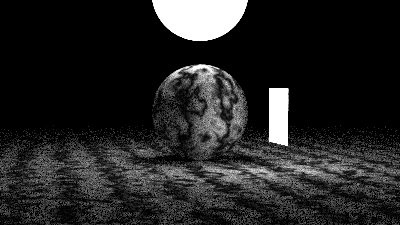
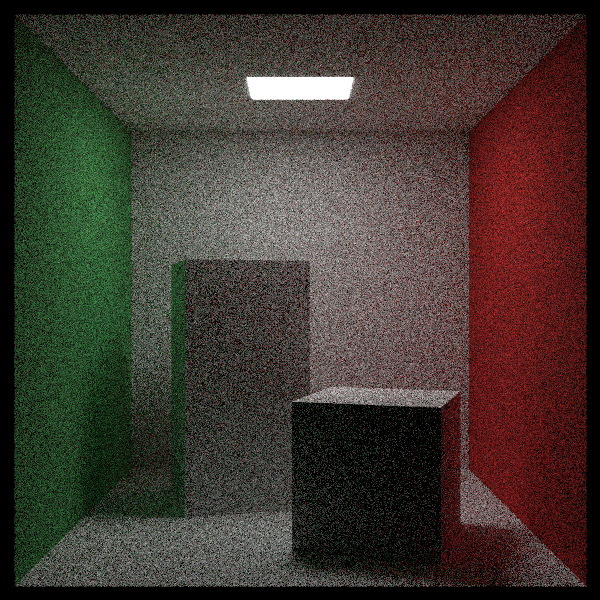
This is my most recent activity as of writing. I'm not a particularly artistic person, nor do I enjoy constructing scenes
to look interesting. So I followed the ray tracing courses closely, and did not significantly modify the scenes.
Here are a few piectures of the renders:
My code does look slightly different from the version available on their github.
For one, i use stb_image to write the resulting image to a png file.
Another change I made is to use templates for vectors and other classes. But I quickly stopped using them,
as I realized I would never use this code again and I'm writing code that will simply never be used.
The final render of Ray Tracing: The Next Week is being rendered at the moment, so that'll have to wait.
(##) **What's Next?**
As I stand now, I am at a crossroads, with the potential to do anything I want. I know that I would like to create my own game engine.
But I don't feel equipped to make it yet. But truthfully, how often do you feel prepared when embarking on a difficult task?
This choice paralysis is stopping me dead in my tracks, as I am unsure of myself and the steps I need to take to continue my Graphics Programming journey.
I will end this journal entry with a set of points that I wish to complete over the coming months:
- Learn Vulkan
- Read [Game Engine Architecture](https://www.gameenginebook.com/)
- Write my own Game Engine
- Do Ray Tracing in Real-Time
As for my professional plans in the near future, I will soon be moving to Canada to take a
[Graduate Certificate in Game Programming](https://www.sheridancollege.ca/programs/game-development-advanced-programming).
I'm taking this brief time to study what I personally find interesting to prepare for my future after the course.
[Edit 2024/05/01]
Less than 24 hours after writing this post, I received an email saying that the Graduate Certificate program has been suspended for my intake.
To say that this news is devastating is an understatement. We will have to see how this situation plays out, but this may derail my long-term plans.